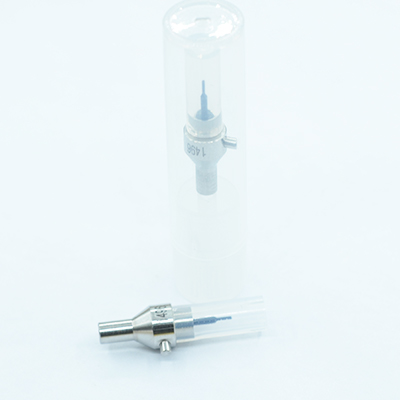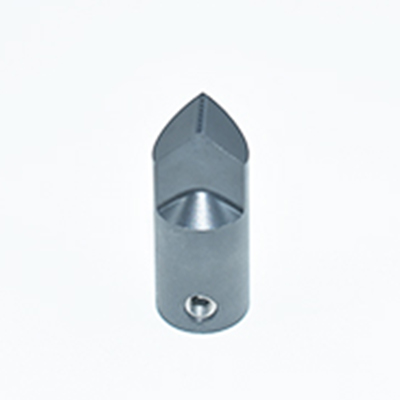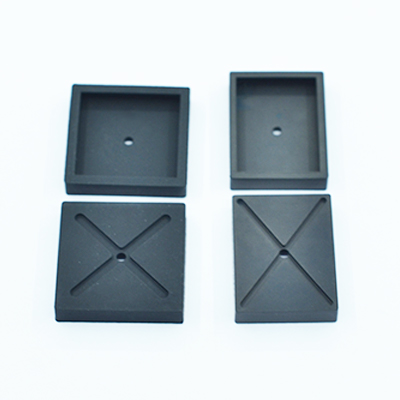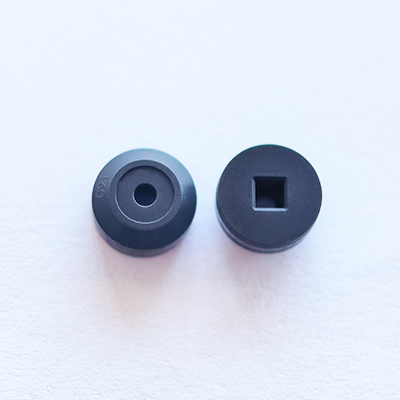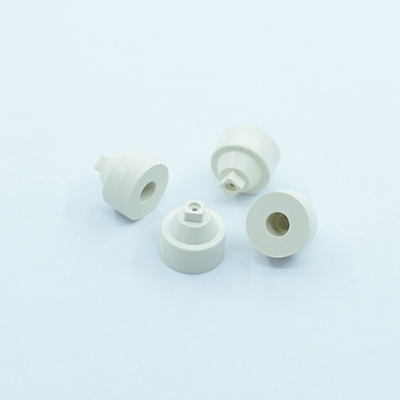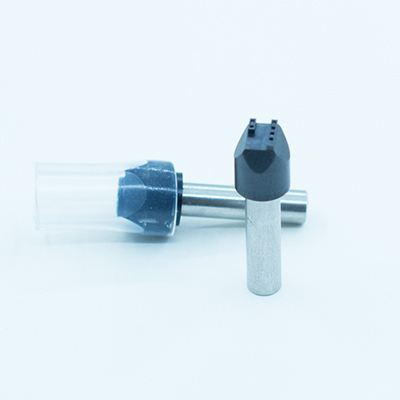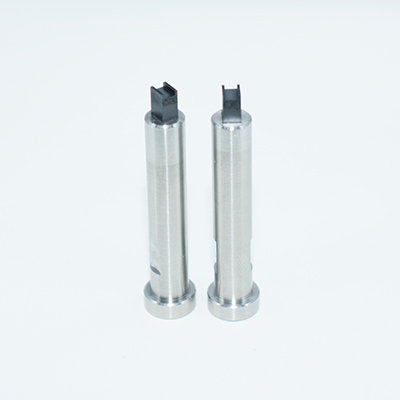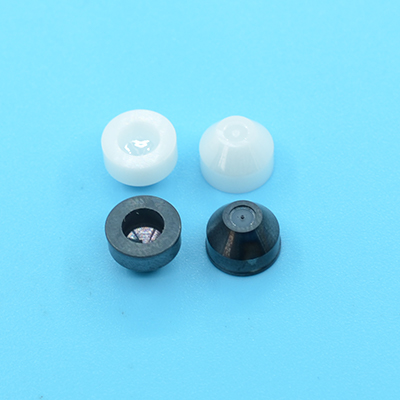
Imported Tungsten Steel Spring Test Probes | High-Durability Spring-Loaded Pogo Pins
Product Overview
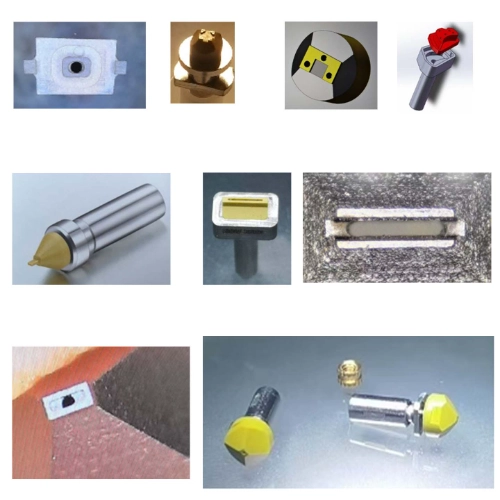
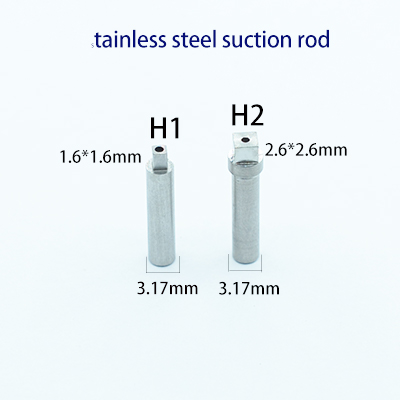
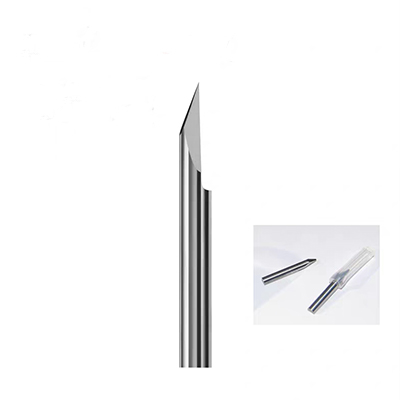
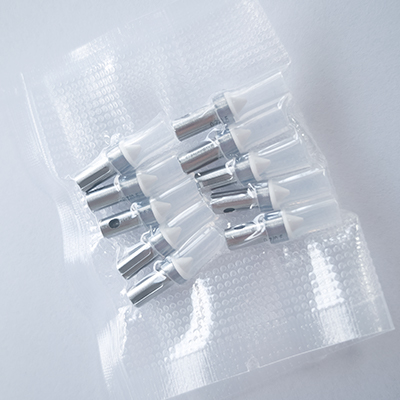
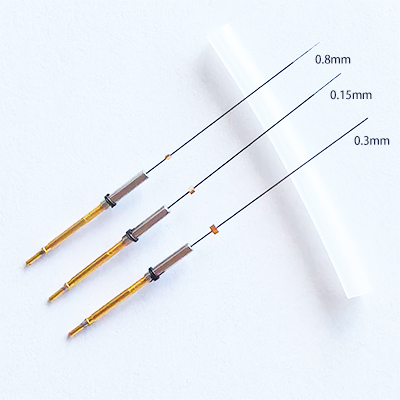
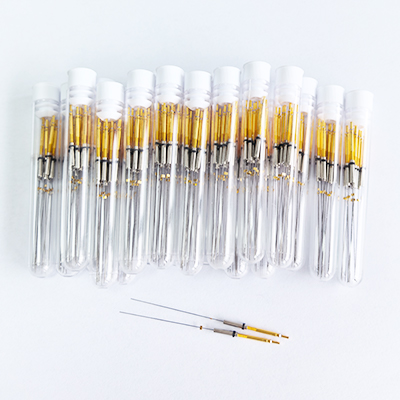
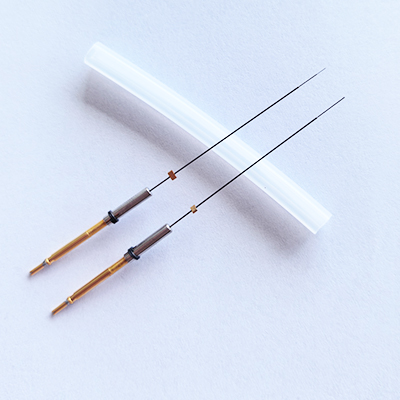
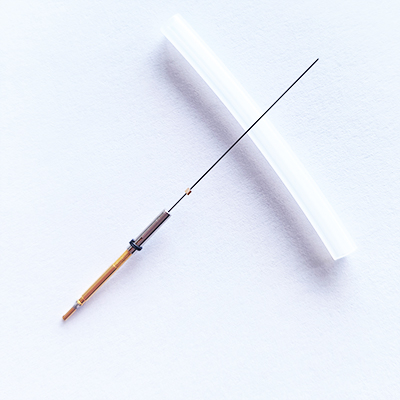
Achieve flawless electrical contact in high-volume testing with our Imported Tungsten Steel Spring Test Probes. Engineered with a precision tungsten steel tip, spring-loaded mechanism, gold-plated body, and ergonomic anti-slip grip, these pogo pins deliver superior wear resistance, stable compression, and long-term reliability for ICT, FCT, and semiconductor inspection.
Semiconductor Test Probes
Semiconductor test probes are the core components in the semiconductor testing process, mainly used in stages such as chip design verification, wafer testing (CP), and finished product testing (FT). They act as a “bridge” between the chip/wafer and the testing equipment, responsible for establishing precise electrical connections and transmitting test signals. They are a crucial part of semiconductor product quality control.
3.1 Main Functions
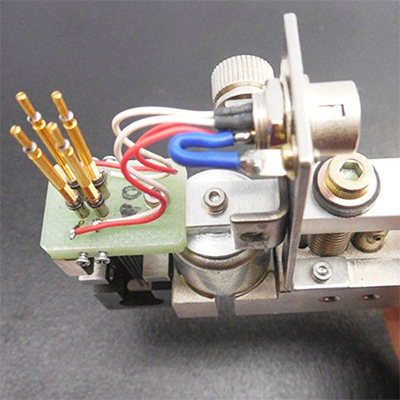
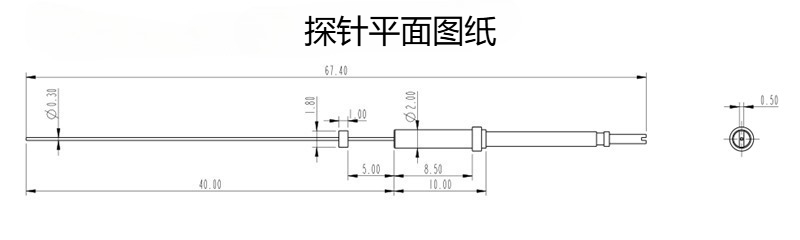
High-frequency performance: RF probes can support working frequencies up to 220 GHz, meeting the testing requirements of 5G communication chips and millimeter-wave devices.
Thermal stability: It can maintain stable performance within a wide temperature range (such as -40°C to +150°C), adapting to different testing environments.
Establishing electrical connections: The tip of the probe forms physical contact with the pads (Pad) or solder balls (Bump) on the wafer/chip, connecting the chip to the automatic test equipment (ATE) and forming a complete test circuit.
Signal transmission and measurement: Applying electrical signals to the tested device (DUT) while receiving and recording the device’s response (such as voltage, current, impedance, frequency response, etc.), used to evaluate the electrical performance and functional characteristics of the chip.
Defect screening and yield management: In the wafer testing stage, each bare chip is tested for electrical performance, quickly distinguishing good and bad products and accurately marking them, avoiding invalid packaging of defective chips, and saving costs and improving yield from the source.
Reliability verification: Combined with a temperature control system, it simulates harsh conditions such as high and low temperatures and extreme humidity to complete long-term durability and reliability tests for the chip, exposing potential failure issues in advance.
3.2 Core Performance Characteristics
Micrometer-level precise structure: The probe size is required to reach the micrometer level, generally formed by four components: needle head, needle tail, spring, and outer tube, through precise riveting and pre-pressing. It contains a precise spring structure to ensure stable contact and durability.
Low contact resistance: The probe surface is usually gold-plated, with excellent conductivity and corrosion resistance, ensuring the accuracy and stability of signal transmission and reducing signal loss.
Long service life: High-quality probes can withstand tens of thousands or even millions of contact tests and still maintain precise contact and signal consistency during repeated use.
Controlled elasticity: The spring elasticity of the probe is precisely designed to ensure reliable contact with the pad while not damaging the chip surface due to excessive pressure.
3.3 Common Types of Test Probes
| Type | Features | Applications |
|---|---|---|
| Needle Probe | Tungsten / beryllium copper material, low cost, high versatility | Low-frequency general testing |
| Cantilever Probe | Horizontal cantilever structure, gentle contact | Wafer-level testing, fragile surfaces |
| Vertical Probe | Vertical contact, reduced signal loss | High-density memory, SoC testing |
| MEMS Probe | Semiconductor process, extremely high precision | High pin-count, fine-pitch digital chips |
| RF Probe | High-frequency low-loss design | 5G / millimeter-wave / RF chip testing |
| Non-contact Probe | Wireless communication, zero physical contact | Devices sensitive to contamination/stress |
3.4 Comparison of Probe Materials
| Material | Advantages | Disadvantages |
|---|---|---|
| Tungsten | High strength, good hardness | Brittle, prone to bending |
| Beryllium Copper | Good conductivity, excellent flexibility | Relatively low hardness |
| Tungsten-Rhenium Alloy | Stable contact resistance, balances hardness & flexibility, not easy to bend | Higher cost |
Manufacturer: Shenzhen Haizixiang Electronics Co., Ltd. (Dingxin Precision)
Website: www.dingxinprecision.com
Email: huzhenghai@dingxinprecision.com
If you need specification parameters and quotations, please contact us!