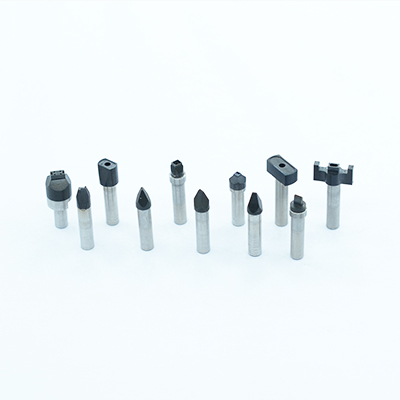
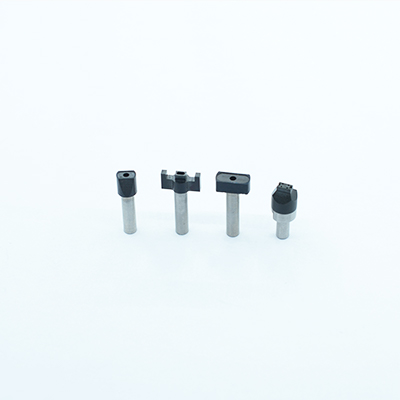
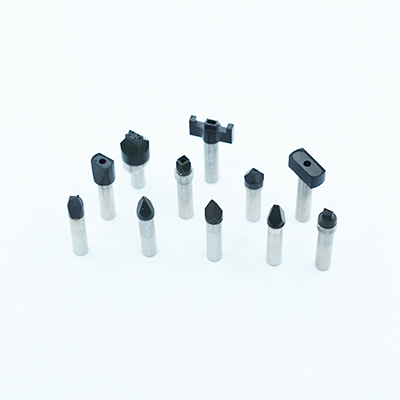
Overview
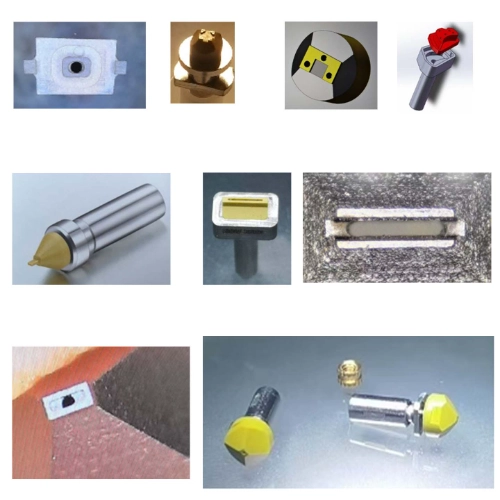
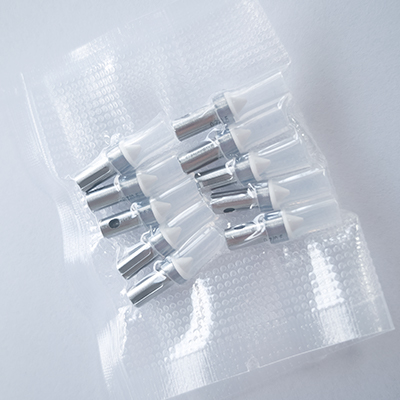
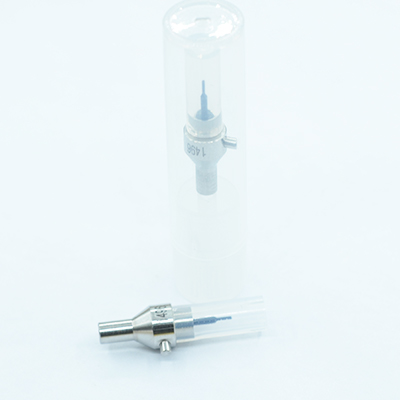
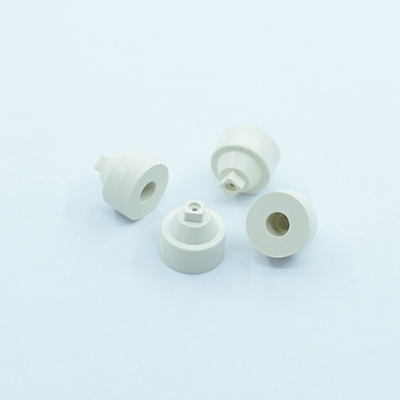
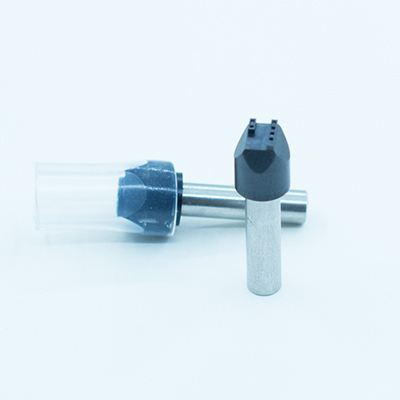
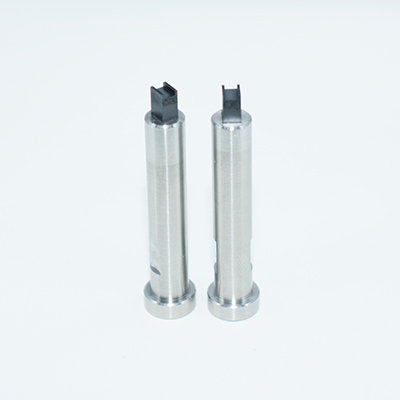
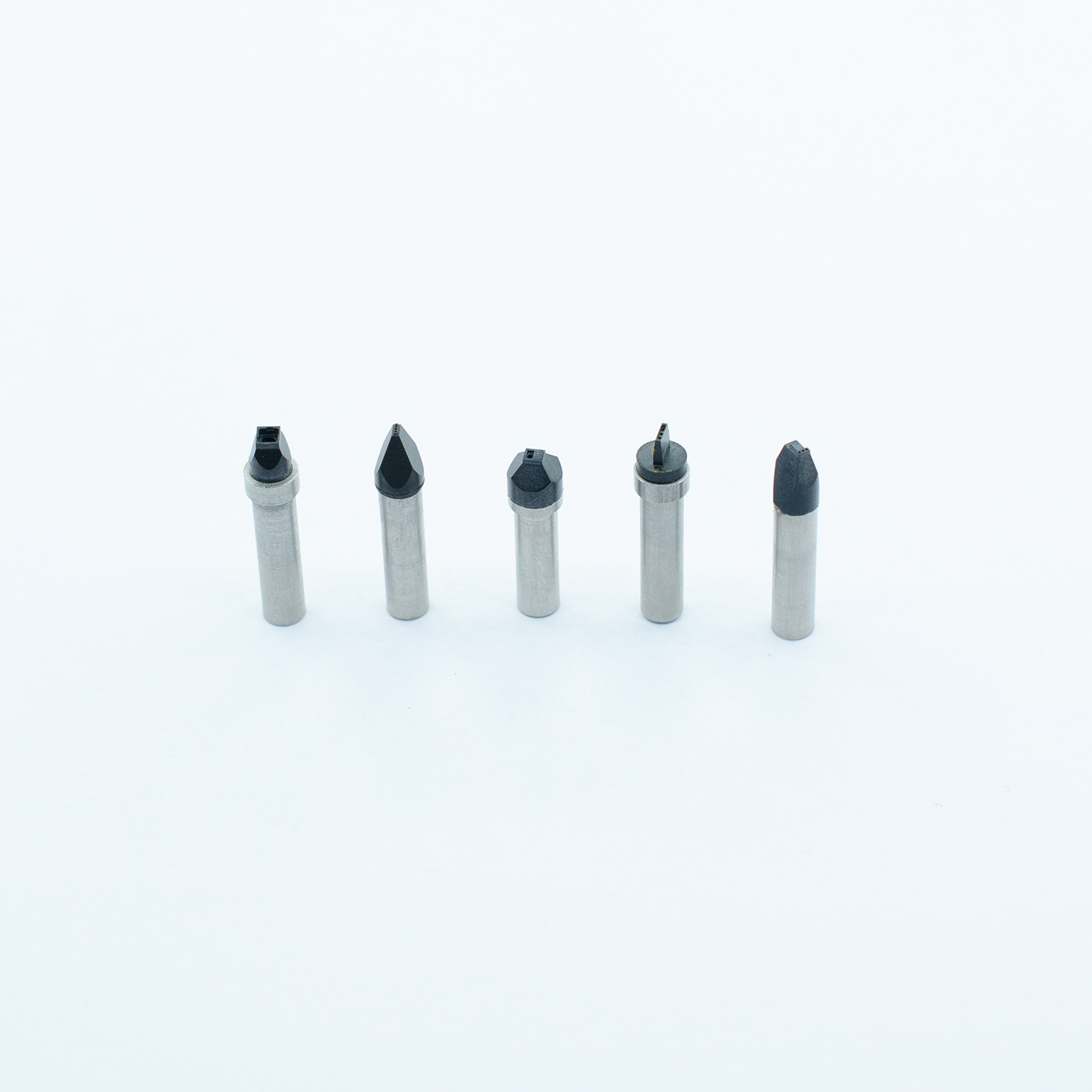
Bakelite nozzle, also known as electric wood nozzle, is a high-precision vacuum picking consumable specially designed for semiconductor die attach processes. It is widely applied in automatic die bonders to pick and place LED chips, IC bare dies, optoelectronic chips and other fragile micro-components. The nozzle adopts a composite structure with a stainless steel shaft and an anti-static bakelite (modified phenolic resin) suction tip, balancing precision, durability and product protection perfectly.
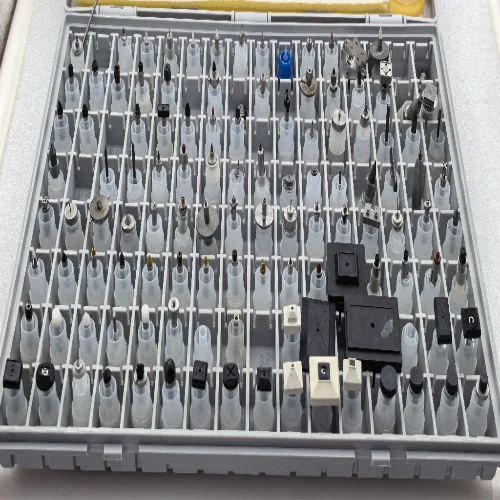
Bakelite Suction Nozzles for Optical Communication Device Packaging
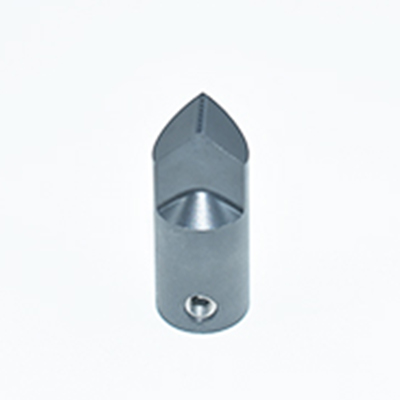
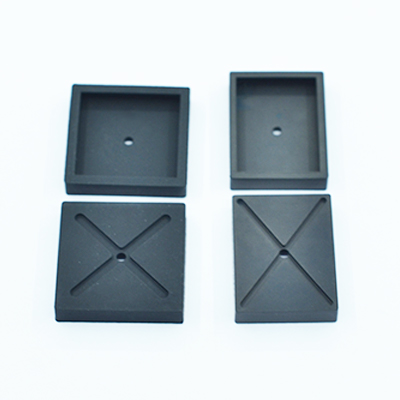
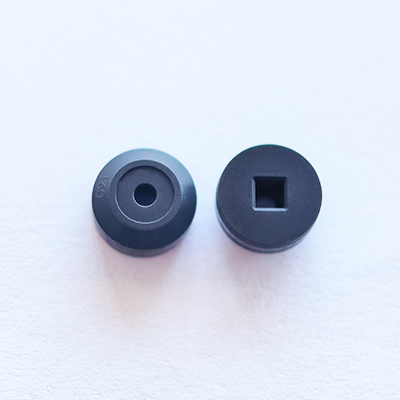
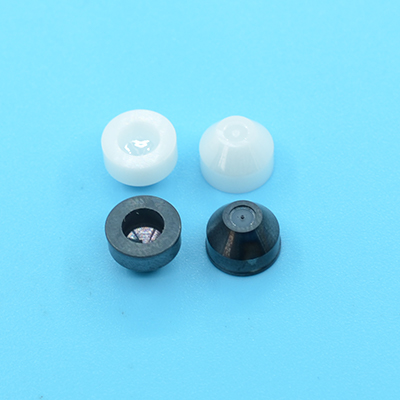
In the packaging process of optical communication devices (die bonders, eutectic bonders, pick‑and‑place machines), Bakelite suction nozzles (phenolic resin base with a front tip made of high‑temperature wear‑resistant materials such as VESPEL or PEEK) offer an optimal balance between “hard metal‑to‑metal contact” and “overly soft rubber.” They are especially suitable for processes that demand electrostatic protection, scratch‑free handling, and medium‑to‑high temperature resistance.
1. Typical Application Scenarios
Optical chip pick‑and‑place
InP / GaAs / VCSEL / DFB bare dies, PD detector chips, Mini / Micro optical engine chips
Optical component assembly
TOSA / ROSA / BOSA, COB die‑bonding for optical modules, flip‑chip eutectic bonding, lens / isolator / collimating component pick‑and‑place
Sensitive processes
Pre‑pickup before eutectic soldering, soft solder attachment, ultra‑thin chips, workpieces with light‑emitting areas or coated surfaces that must not be touched
Equipment compatibility
ASM, Kulicke & Soffa (K&S), ESEC, Datacon, Alphasem, and other die‑bonding / pick‑and‑place platforms
2. Core Advantages (vs. Tungsten Carbide / Ordinary Metal Nozzles)
Chip‑safe: Moderate hardness prevents indentations and micro‑cracks
Tungsten carbide is too hard; high‑speed placement can easily leave micro‑cracks or indentations on the edges of brittle optical chips. Bakelite provides micro‑cushioning, reducing hidden fractures, IR defects, and edge chipping.
Anti‑static: Protects ESD‑sensitive optoelectronic devices
Optical communication bare dies are extremely sensitive to ESD. Bakelite / modified phenolic combined with VESPEL achieves low‑resistance anti‑static performance, minimizing pickup deviation and ESD breakdown failures, thereby improving yield.
Medium‑to‑high temperature resistance: Compatible with eutectic and silver‑sintering processes
High‑grade Bakelite withstands 25 °C to 480 °C, suitable for eutectic temperature ranges and continuous operation—without softening, deformation, or contamination of adhesive layers.
Clean & non‑outgassing: No contamination to optical surfaces or coatings
Dense material structure, low particle generation, no oil bleed‑out. Prevents pollution of optical ports, lenses, and anti‑reflection coatings, avoiding excessive optical loss in subsequent stages.
Lightweight & low inertia: Ideal for high‑speed die‑bonding
Lighter than tungsten carbide, resulting in less start/stop inertia and more stable vision alignment. Suitable for small sizes (down to 3 mil) and high‑frequency pick‑and‑place.
Balanced cost & lifetime
Lifespan of approximately 400K–1000K cycles (depending on material grade). More durable than pure rubber, more cost‑effective than high‑end ceramics—optimal total cost of ownership for mass production.
3. Material Selection Guide (How to choose on an optical communication production line)
| Nozzle Type | Best For | Notes |
|---|---|---|
| Bakelite nozzle | Standard optical chips, scratch‑prone parts, anti‑static required, medium‑temp die‑bonding | First choice |
| Tungsten carbide nozzle | Large‑size thick substrates, wear resistance priority, micro‑indentations acceptable | Hardest option |
| Ceramic nozzle (Si₃N₄ / ZrO₂) | Ultra‑small holes, ultra‑clean, long‑term high temp, high‑end photonic chips | Higher unit price |
| Rubber / silicone buffer | Temporary processes for ultra‑thin fragile chips | Limited precision & temperature resistance |
4. Key Selection Parameters
Anti‑static index, concentricity, inner‑wall finish, vacuum sealing
Inner diameter (ID): per chip size (3 / 4 / 5 / 8 / 10 mil …)
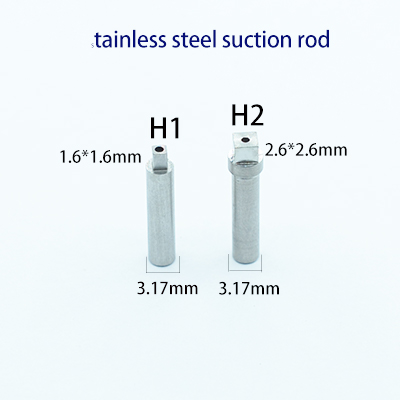
Outer diameter (OD), tip thickness, shank diameter (1.58 / 3.17 mm, etc.)
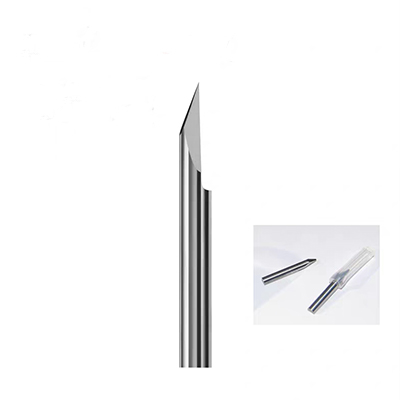
End‑face design: flat / single hole / multi‑hole / eccentric hole / light‑emitting area avoidance groove
Material grade: DuPont brown VESPEL (better temperature resistance), imported yellow material (better wear resistance)
Manufacturer: Shenzhen Haizhixiang Electronics Co., Ltd. (Dingxin Precision)
Website: www.dingxinprecision.com
Email: huzhenghai@dingxinprecision.com
Contact us for specifications and a quotation!