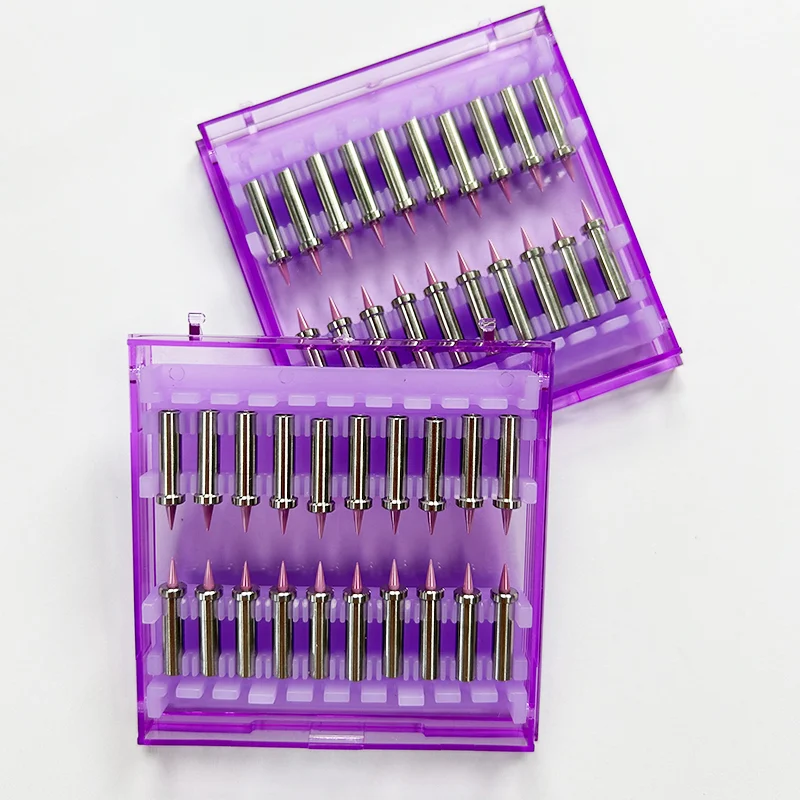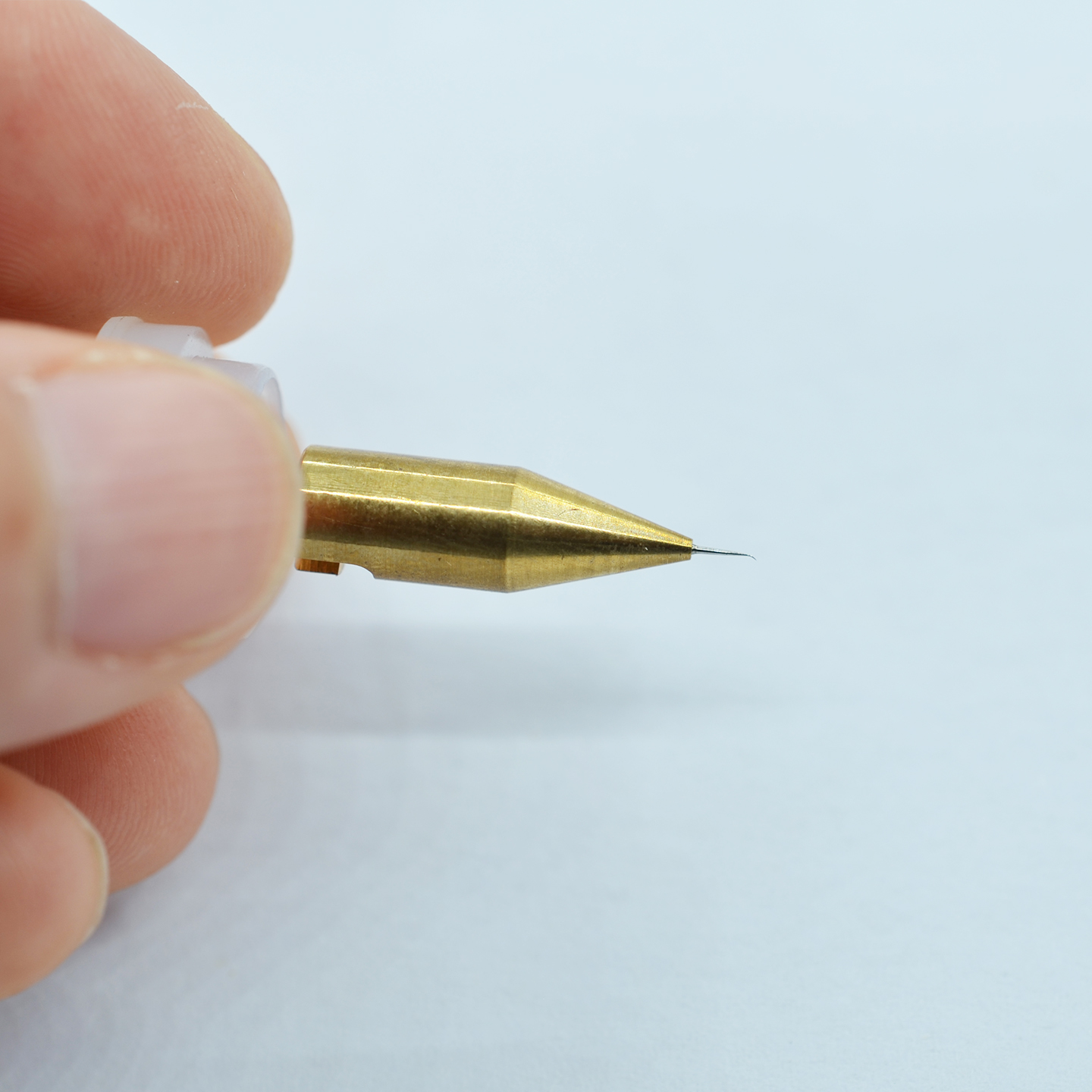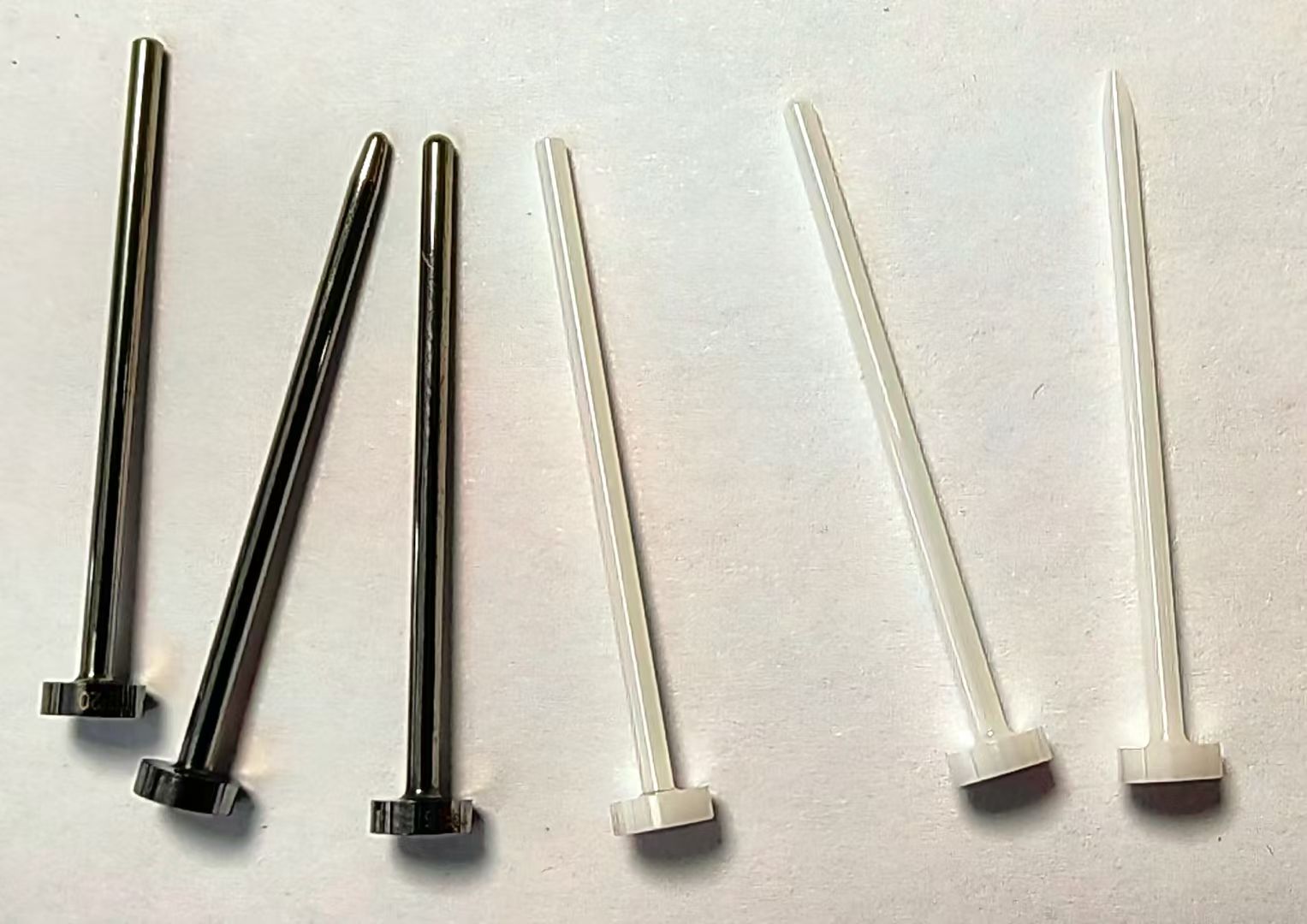
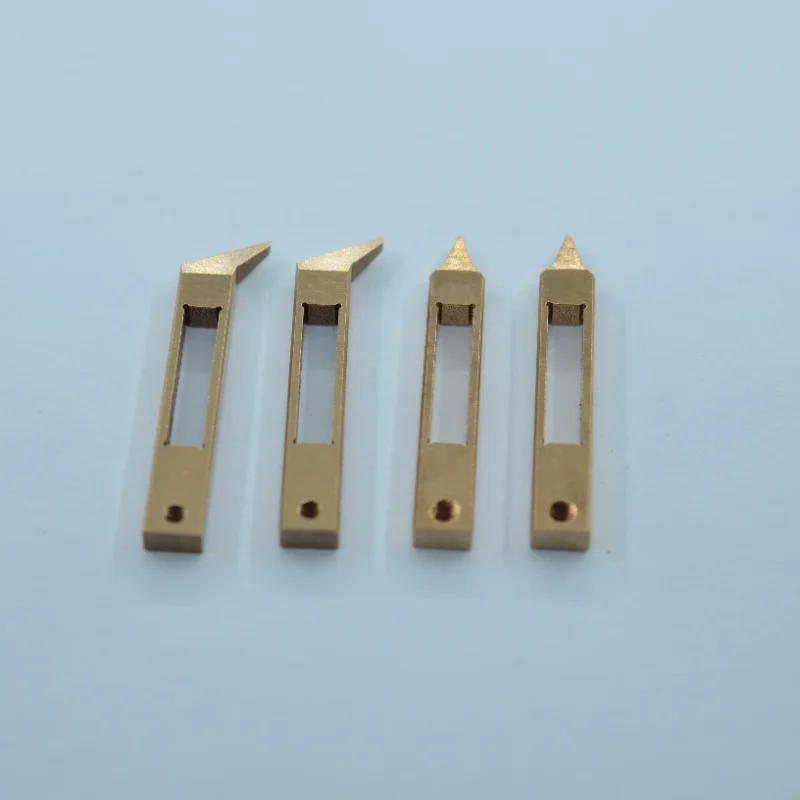
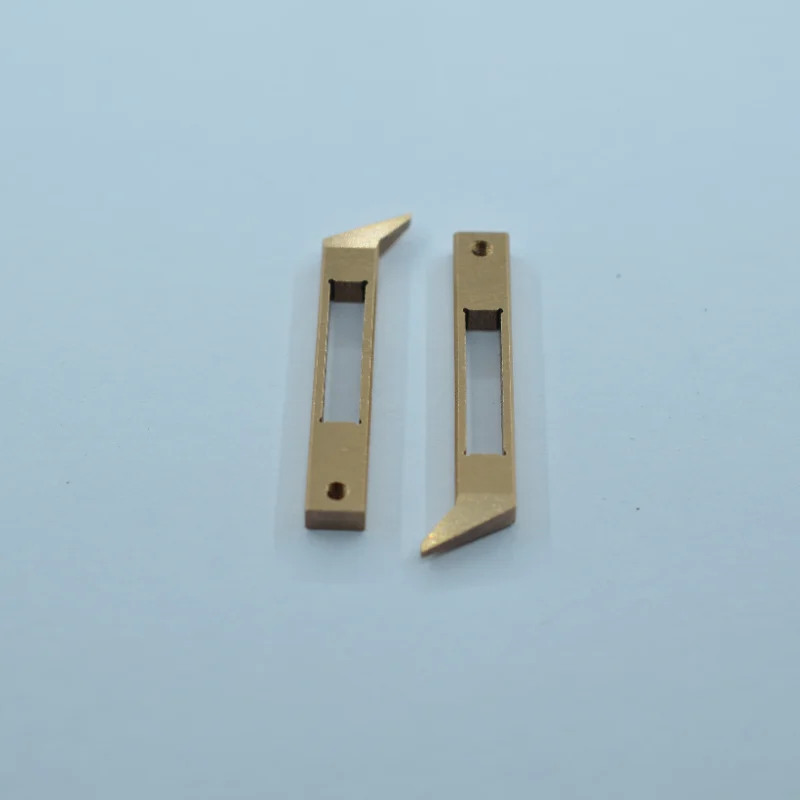
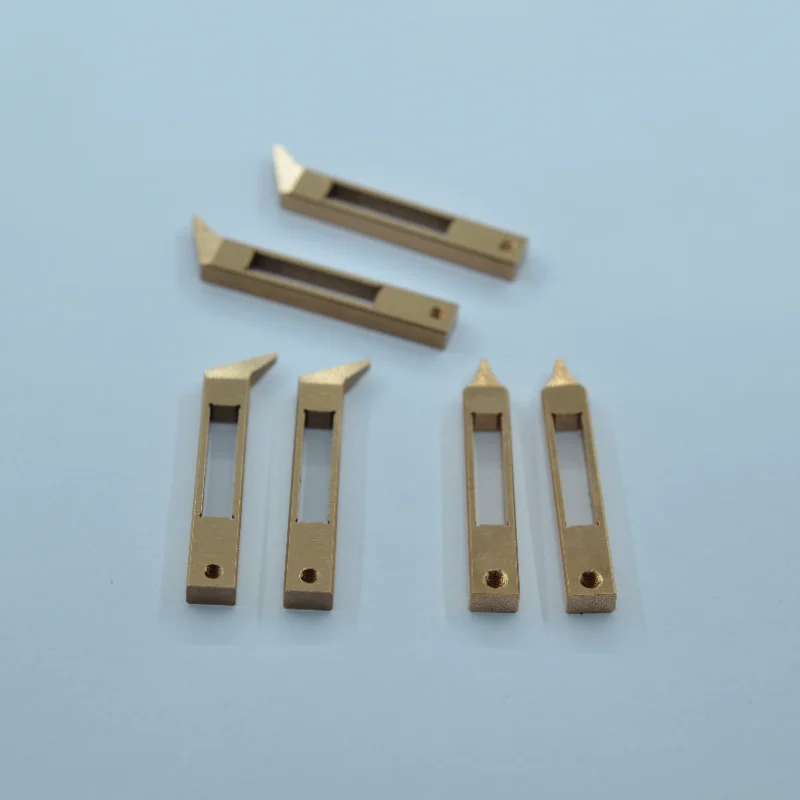
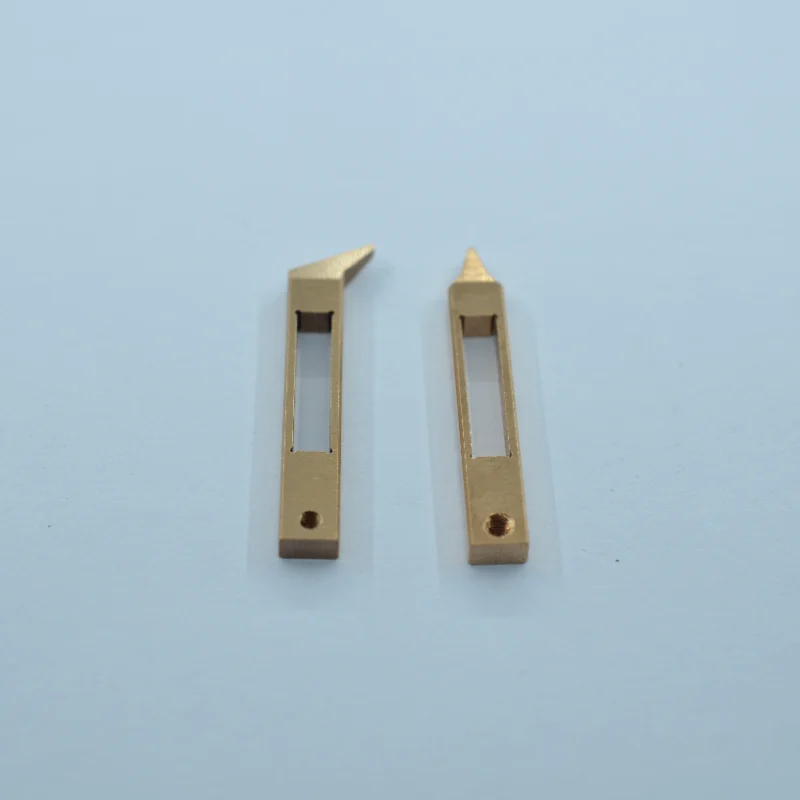
1. Product Overview
Precision test probes, also widely known as spring test pins or pogo pins, are miniature spring-loaded contact components designed for electrical continuity testing in electronic manufacturing. Each probe consists of three core parts: plunger (tip), barrel and internal compression spring. When compressed in test fixtures, they deliver stable, low-resistance electrical contact between test equipment and DUT (device under test).
These probes are essential consumables for ICT, FCT, semiconductor and PCB testing. Fine-pitch versions support high-density chips such as BGA, QFN and WLCSP. All units are precision-machined and plated to guarantee signal integrity, consistent spring force and long service life in mass-production test environments.
2. Core Features & Advantages
- High Conductivity Plating Plunger and barrel adopt beryllium copper or brass base material with nickel-gold plating. Gold plating minimizes contact resistance, resists oxidation and prevents signal attenuation during high-speed testing.
- Controlled Spring Force & Stable Stroke Precision spring provides consistent contact pressure to avoid poor contact caused by component warpage. Multiple spring force options are available to balance reliable contact and component protection.
- Diversified Tip Styles Optional tip shapes: straight, crown, spear, chisel, rounded and serrated. Suitable for pads, vias, solder balls and component pins.
- Ultra-fine Machining for Fine Pitch Small-diameter probes support minimal center pitch down to 0.3 mm, meeting miniaturized semiconductor and micro-module test demands.
- Long Mechanical Cycle Life Optimized material and surface treatment reduce wear. Standard probes can achieve up to 1,000,000 contact cycles under proper working conditions.
- Wide Environmental Adaptability Stable performance within standard electronic temperature range, compatible with normal temperature test, thermal cycling and aging test stations.
- Customization Available Custom tip geometry, overall length, stroke, spring force and special plating can be produced per customer drawings or fixture requirements.
3. Typical Applications
- PCB & PCBA: ICT in-circuit test, FCT functional test, AOI auxiliary contact
- Semiconductor: Wafer probing, chip socket testing, BGA/QFN package inspection
- Consumer electronics: Battery contact, module conductivity test, connector inspection
- Automotive electronics: ECU circuit testing, sensor module validation
- Precision medical and aerospace electronic component screening
4. Technical Specification Table
表格
| Item | Technical Parameter |
|---|---|
| Product Name | Precision Spring Loaded Test Probe / Pogo Pin |
| Main Components | Plunger, Barrel, Internal Spring |
| Plunger Material | Beryllium Copper / Brass |
| Barrel Material | Brass / Phosphor Bronze |
| Spring Material | SWP-B / Stainless Steel Spring Wire |
| Surface Plating | Nickel underplate + Gold top plate (standard); Rhodium optional |
| Contact Resistance | ≤ 50 mΩ (typical) |
| Rated Current | 0.5 A ~ 8 A (depends on diameter) |
| Working Voltage | ≤ 100 V DC |
| Spring Force Range | 20 gf ~ 250 gf |
| Rated Stroke | 0.5 mm ~ 4.0 mm |
| Tip Diameter | 0.06 mm ~ 1.36 mm |
| Barrel Outer Diameter | 0.10 mm ~ 2.00 mm |
| Minimum Pitch | 0.3 mm |
| Tip Types | Round, Spear, Crown, Chisel, Serrated, Flat |
| Operating Temperature | -40 ℃ ~ +120 ℃ |
| Mechanical Lifespan | 50,000 ~ 1,000,000 cycles |
| Mounting Method | Press-fit into probe sleeve in test fixture |
5. Operation & Maintenance Notes
- Select proper spring force; excessive force may crush solder pads or damage delicate chips.
- Keep probe tips clean. Flux residue and solder spatter will raise contact resistance and cause test failures.
- Avoid over-compression beyond maximum stroke to prevent permanent spring fatigue.
- Inspect tips for bending, wear and plating peeling regularly; replace worn probes promptly.
- Store in dry, low-dust packaging to prevent oxidation before installation.